
Why Breastfeeding Can Hurt, and When It Shouldn’t
Breastfeeding is often described as “natural,” but that doesn’t mean it’s always comfortable, especially in the early days. Many parents are told to expect some soreness at first, which can make it hard to know when pain is normal and when it’s a sign that something needs attention.
Here’s the key takeaway: breastfeeding may feel tender initially, but ongoing or intense pain is not something you should have to push through.
What’s Considered Normal Early On?
In the first few days postpartum, it’s common to experience:
Mild nipple tenderness as your body adjusts
Sensitivity during initial latching that improves as the feed continues
Temporary discomfort that lessens day by day
This type of tenderness should improve, not worsen.
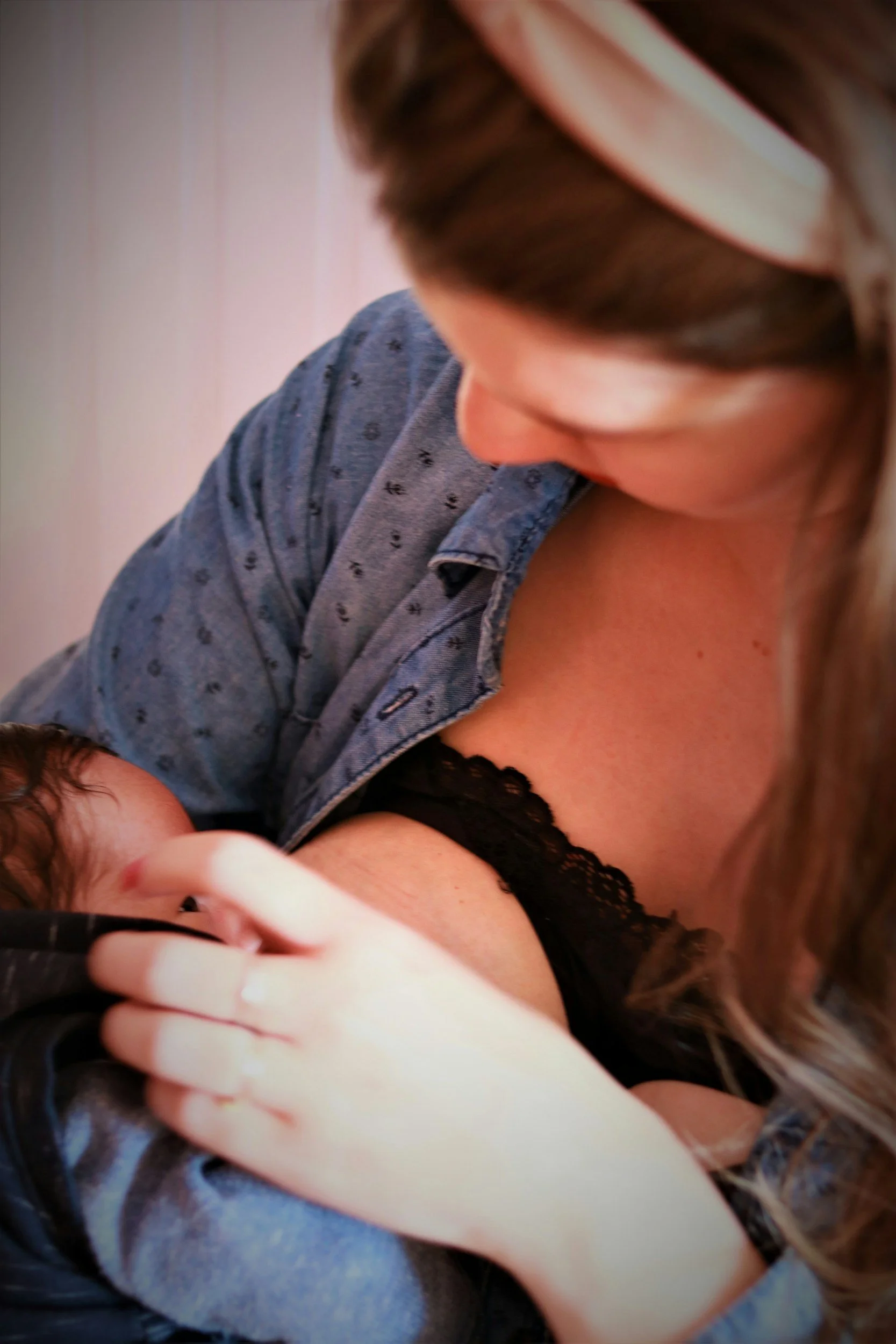
Overcome Painful Breastfeeding
When Breastfeeding Pain Isn’t Normal
Pain may be a sign that something needs adjusting if you’re experiencing:
Sharp, pinching, or burning pain during feeds
Cracked, bleeding, or blistered nipples
Pain that lasts the entire feeding or continues afterward
Increasing discomfort instead of gradual improvement
Pain is information. It’s your body’s way of saying, “Something isn’t quite working yet.”
Common Causes of Breastfeeding Pain
The most frequent reasons pain shows up include:
A shallow or unstable latch
Positioning that places pressure on the nipple
Tension in baby’s jaw, neck, or body
Feeding patterns that don’t support effective milk removal
None of these mean you’re doing anything wrong, and all of them are fixable with the right support.
Why Early Support Matters
When pain goes unaddressed, parents often shorten feeds, delay feedings, or feel discouraged altogether. Getting support early can:
Improve comfort quickly
Protect milk supply
Build confidence
Make feeding feel sustainable instead of stressful
How Virtual Lactation Support Helps
As an RN and international board certified lactation consultant (IBCLC), I work with families virtually to assess feeding in real time, from the comfort of home. Virtual visits allow us to look at latch, positioning, feeding patterns, and comfort together, without the stress of packing up a newborn.
If breastfeeding hurts, you deserve answers and relief.
If you’re unsure whether your visit is covered, you can verify coverage or book directly.